
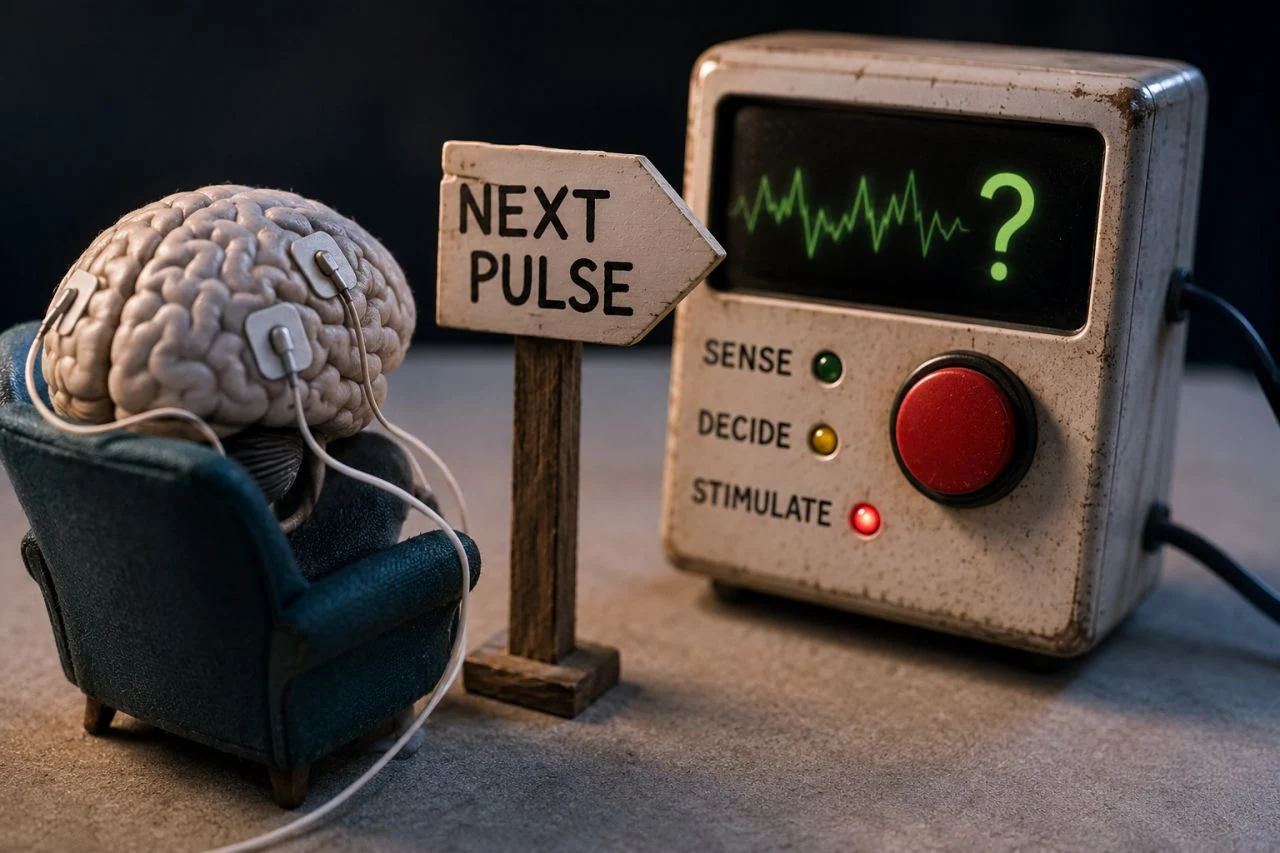
Neuromodulation is getting a lot more interesting.
For years, much of the focus has been on where to stimulate, how much, and how often.
Increasingly, the question is becoming: can the device sense what’s happening physiologically and adapt therapy in response?
That shift toward sensing and closed-loop stimulation has enormous potential for more personalized therapy. But from a regulatory perspective, it also changes the questions we need to answer.
What signal is driving therapy?
How reliable is that signal?
What happens when the signal is wrong?
How do you validate the algorithm that determines when and how stimulation changes?
As neuromodulation becomes more adaptive, I think the regulatory challenge will increasingly move beyond proving that stimulation is safe and effective to proving that the entire sense → decide → stimulate loop is reliable.
For those working in neuromodulation: where do you think the field is headed next?
Let’s connect these ideas
to your next milestone.
Schedule time with Strata to discuss your device, priorities, and questions.
Schedule an intro callEducational content only. No company-specific regulatory or legal advice.